|
-
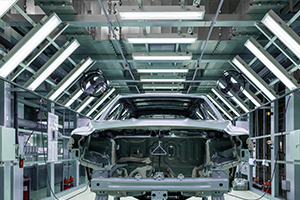
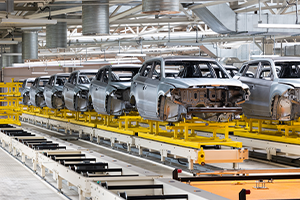
As the automotive industry advances into the deep waters of intelligence and electrification, the evolution of the body frame has not stopped at material and process innovations.
2017-03-30
0
0
0
-
In modern automotive engineering, the body frame is not only the carrier of safety and structural rigidity, but also the critical foundation that determines the vehicle's sensory quality – particularly its Noise, Vibration, and Harshness (NVH) performance.
2017-03-30
0
0
0
-
When vehicles leave paved roads to tackle extreme terrains such as rocks, steep inclines, and deep ruts, or when they chase ultimate speed and handling on racetracks, the demands placed on the body frame go far beyond everyday commuting.
2017-03-30
0
0
0
-
Against the grand narrative of global carbon neutrality and the circular economy, the automotive industry's environmental responsibility now extends across the entire product life cycle.
2017-03-30
0
0
0
-
Driven by the wave of electric vehicles, the design of the body frame is undergoing a fundamental reconstruction from the inside out.
2017-03-30
0
0
0
-
Traditional automotive safety has been clearly divided into two phases: active safety, which prevents accidents from occurring, and passive safety, which mitigates injuries after an accident has happened.
2017-03-30
0
0
0
-
In the field of automotive body frame R&D, a quiet revolution driven by digital technology has long been deeply embedded in the process.
2017-03-30
0
0
0
-
In today's landscape of continuously shortening automotive product development cycles and increasingly diverse market demands, the traditional "one car, one architecture" development model can no longer keep pace with competition.
2017-03-30
0
0
0
|
|